Why Climate Matters for Siding: Choosing the Right Material for Your Home Environment
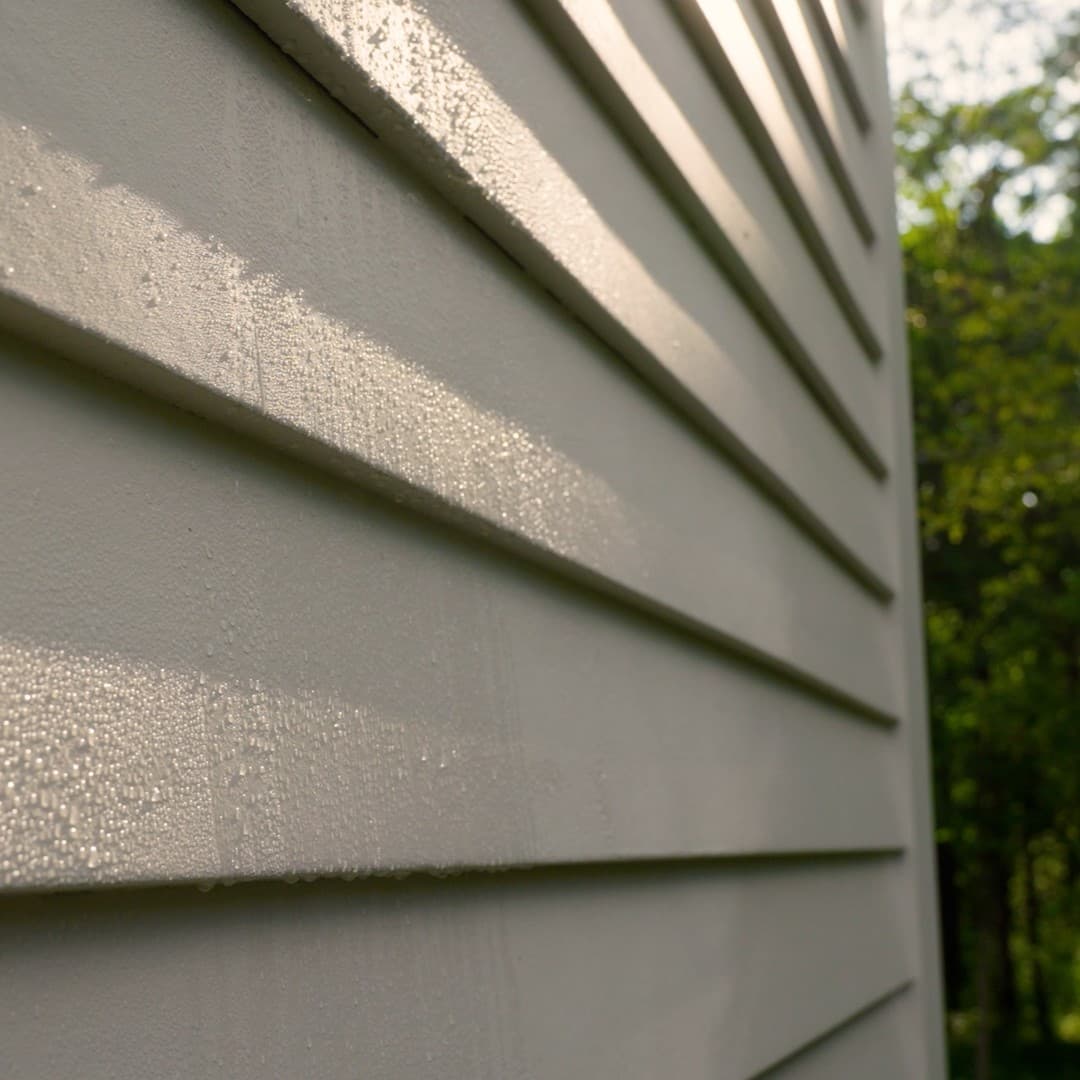
Choosing siding for your home involves more than selecting a color or architectural style. Climate plays an important role in how siding performs over time. From heavy rainfall and freezing temperatures to intense sunlight and strong winds, environmental conditions influence durability, maintenance requirements, and long-term performance.
Materials that perform well in one region may deteriorate faster in another. Siding exposed to more frequent cycles of hot summers and freezing winters may crack or warp, while siding in wet, humid climates often requires materials that help resist moisture and mold. Understanding these challenges can help homeowners choose siding suited to their local conditions.
Fiber cement siding from James Hardie is developed to hold up under exactly these conditions. It combines the appearance of natural wood with resistance to moisture, pests, fire, and weather extremes. Because James Hardie siding is Engineered for Climate®, it is formulated to perform in a range of climates across the United States.
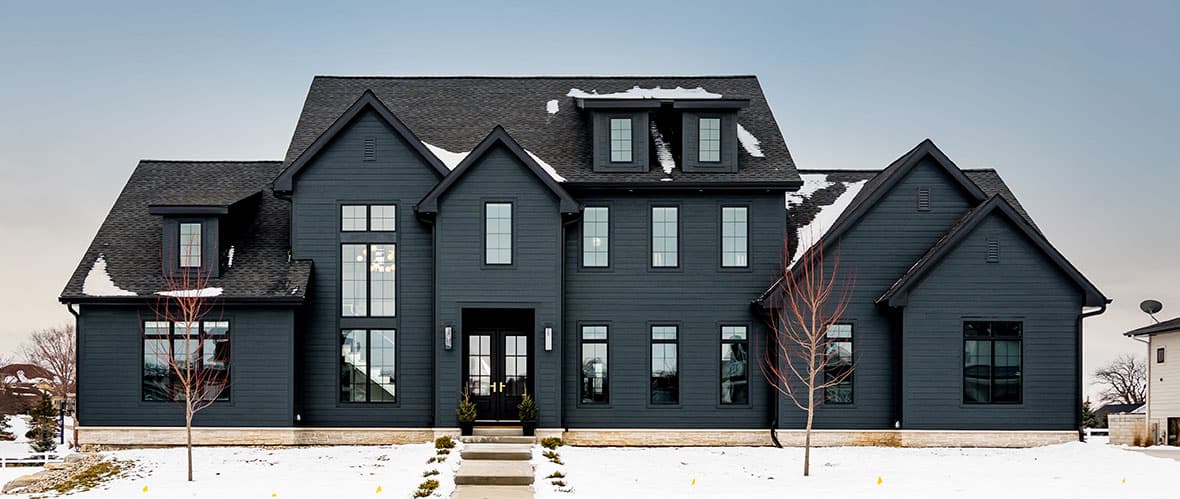
Understanding how climate impacts siding performance
Climate conditions influence how siding ages, performs, and protects a home. Temperature swings, moisture exposure, sunlight, and severe weather all place stress on exterior materials.
Temperature fluctuations: Expansion and contraction
Temperature changes cause building materials to expand when warm and contract when cold. This process, known as thermal expansion and contraction, can stress siding.
In areas with large seasonal temperature swings, siding with lower dimensional stability may warp or loosen. In bitter cold, vinyl material may become brittle and prone to breakage with impact. Materials designed to maintain their shape and strength across temperature extremes help reduce these risks.
Rain, snow, and other precipitation challenges
Moisture is a common cause of siding deterioration. Rain, snow, and humidity can cause deterioration and rot in certain organic siding materials like wood. Also, all products must be installed correctly, including Hardie® Siding, according to best practices, building codes, and manufacturer’s instructions. If siding deterioration or improper installation (or both) are present, water is more likely to have ingress to the wall, particularly around vulnerable areas such as seams, windows, and doors. Once water is in the wall, it may not have a direct way to get out. Trapped moisture may lead to hidden rot, swelling, or mold growth, which can be costly to fix.
When properly installed and combined with weather-resistant barriers, siding helps direct water away from the structure.
UV radiation and sun exposure
Ultraviolet (UV) radiation from sunlight can gradually affect exterior materials, causing fading, discoloration, or brittleness. Certain Low-E, energy-efficient glass can reflect solar energy (heat) sufficient to warp or otherwise deform vinyl siding. Homes in sunny climates often benefit from siding designed to maintain color and structural integrity despite long-term UV exposure.
Hail and high-impact weather
Hail, strong winds, and severe storms can cause cracking, denting, or impact damage in some siding materials. Selecting durable, impact-resistant siding helps protect the home’s exterior and maintain its appearance in areas prone to extreme weather.
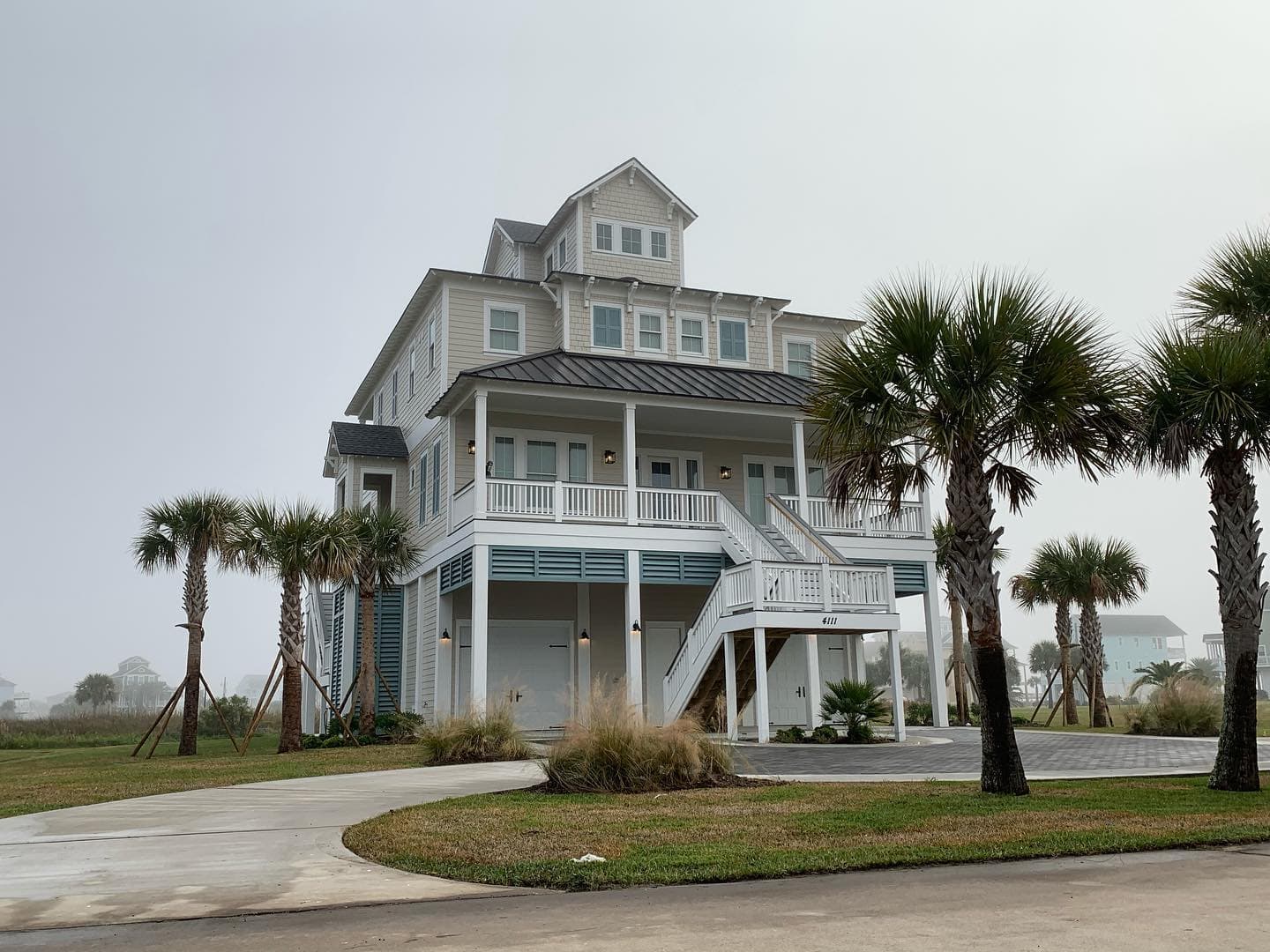
Siding material performance comparison
Comparing siding materials across key performance factors helps homeowners understand how different material options respond to environmental stresses. While each siding material has advantages, homeowners seeking durability across multiple climate conditions often consider fiber cement siding the most reliable option.
- Wood: Traditional beauty, but requires regular maintenance (painting, sealing) to delay deterioration. Flammable, will burn. Susceptible to rot in damp, moist conditions.
- Fiber cement: Excellent fire resistance; will not burn* (paint may scorch). Available in multiple textures, profiles, colors. Extremely durable; 30-Year, non-prorated Limited Warranties are typical. Experienced installer recommended.
- Vinyl: Excellent moisture resistance, can present a “builder grade” appearance. Minimal upkeep needed, susceptible to brittleness in extreme cold and warping/deforming in extreme heat. Easy to install.
- Stucco: Excellent fire resistance, long expected life, varieties of colors and texture. Ideal for arid climates, may need sealing or maintenance to prevent cracking in damp or freezing climates. Install can be complex, costlier than others.
- Engineered wood: Good impact resistance and expected lifespan, susceptible to moisture damage, especially on unsealed cuts. Variety of textures, colors, and profiles. Medium weight, straightforward installation. Flammable, but uses chemical retardants.
- Solid-core PVC: Exceptional moisture resistance, approved for ground contact, rooflines, damp areas. Variety of profiles, colors, textures; good aesthetics. Low maintenance, long warranty periods, easy install. Good fire resistance, WUI compliant.
Key takeaways for homeowners
When choosing siding, begin by evaluating the environmental conditions your home faces most often.
- Assess your local climate challenges, including temperature swings, moisture levels, and sun exposure.
- Eliminate materials that may struggle in those conditions.
- Consult James Hardie professionals to explore siding options suited to your environment.
Fiber cement siding is often considered an excellent option for durability across many climates because of its stability, moisture resistance, and excellent aesthetics.
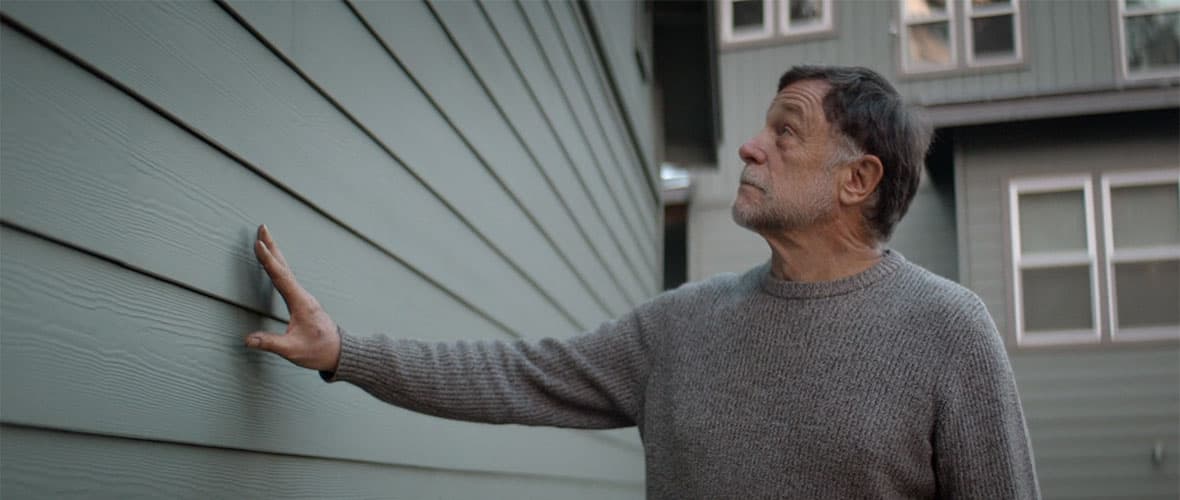
What makes fiber cement siding a better choice for variable climates?
Fiber cement siding is made from cement, sand, water, and cellulose fibers. This engineered composition creates a durable material suited for exterior environments.
Key benefits include:
- Resistance to moisture damage and rot
- Strength against severe weather and impact
- Reduced vulnerability to pests such as termites
- Non-combustible material composition
- Dimensional stability during temperature and moisture changes
Fiber cement siding can also replicate the look of natural wood grain, cedar shingles, stucco, and other architectural styles, giving homeowners design flexibility along with durability.
The Engineered for Climate® differentiator
James Hardie enhances fiber cement siding through the Hardie™Zone system, which tailors siding formulations to specific regional climates. Rather than using a single formula nationwide, the system considers factors such as:
- Temperature ranges
- Humidity levels
- Freeze–thaw cycles
- Seasonal weather patterns
By designing siding with these conditions in mind, James Hardie helps support consistent performance across different climate regions. For example, in the North (Hardie™Zone HZ5®), the siding surface is engineered to perform in climates with cold, wet winters and hot summers, giving it excellent paint adhesion and moisture resistance. In the South (Hardie™Zone HZ10®), boards resist cracking, splitting, rotting and swelling season after hot, humid, tropical storm season, hurricane-force winds, and the salty sea air of the coast.
Common climate-related siding problems James Hardie solves
Environmental exposure can create several challenges for exterior materials. Choosing siding suited to these conditions can help support long-term durability.
- Moisture damage: Persistent rain or humidity can cause swelling, rot, or mold in some siding materials. Fiber cement siding is highly resistant to moisture.
- UV fading: Sun exposure can cause siding finishes to fade. James Hardie ColorPlus® Technology finishes are factory-applied, with a baked-on finish designed to help maintain color consistency and resist UV exposure, as well as chipping and cracking.
- Fire exposure: In areas where fire safety is a concern, exterior materials matter. Fiber cement siding is non-combustible and approved for use in wildfire-prone areas.
- Pest damage: Certain siding materials are vulnerable to insects such as termites. Fiber cement siding holds little appeal for pests like termites and woodpeckers.
- Long-term durability: Fiber cement siding is known for its long service life when properly installed and maintained, making it a practical option for homeowners seeking durable exterior protection.
Choosing climate-resilient siding for long-term home protection
A home takes time, care, and energy to maintain, and that makes choosing durable exterior materials especially important. Temperature changes, moisture exposure, sunlight, and severe weather can all influence how siding performs over time. Selecting the right option for your local climate can make the difference between a siding that fails and one that lasts for decades.
Interested in learning more about siding options for your home? You can request a quote to explore siding solutions suited to your climate and design preferences.
Frequently asked questions
Are there specific features to look for when choosing weather-resistant siding?
Yes, look for siding that offers moisture resistance, UV stability, impact durability, and compatibility with your local climate.
What are the risks of using the wrong siding in extreme weather conditions?
Siding not suited to the regional climate may crack, warp, or deteriorate faster, increasing maintenance needs and shortening its overall lifespan.
Does James Hardie offer warranties for moisture- and pest-related damage?
Yes, James Hardie siding products include warranties covering material performance and finish durability when installed according to manufacturer guidelines.
How does the Hardie™ Zone System work?
Engineered for Climate® uses regional climate data to create different siding formulations to help optimize performance for specific environmental conditions.
What role does a weather-resistant barrier play in siding performance?
A weather-resistive barrier is essential as it helps manage moisture behind siding while allowing vapor to escape.
How long can weather-resistant siding last?
Durable siding designed for climate conditions can maintain performance and appearance for decades when properly installed and maintained. Hardie® Siding carries a 30-Year Limited Product Warranty.
*Hardie® siding complies with ASTM E136 as a noncombustible material. Fiber cement fire resistance does not extend to applied paints or coatings, which may be damaged or char when exposed to flames.
