The best siding for coastal weather: Why Hardie® Fiber Cement stands out
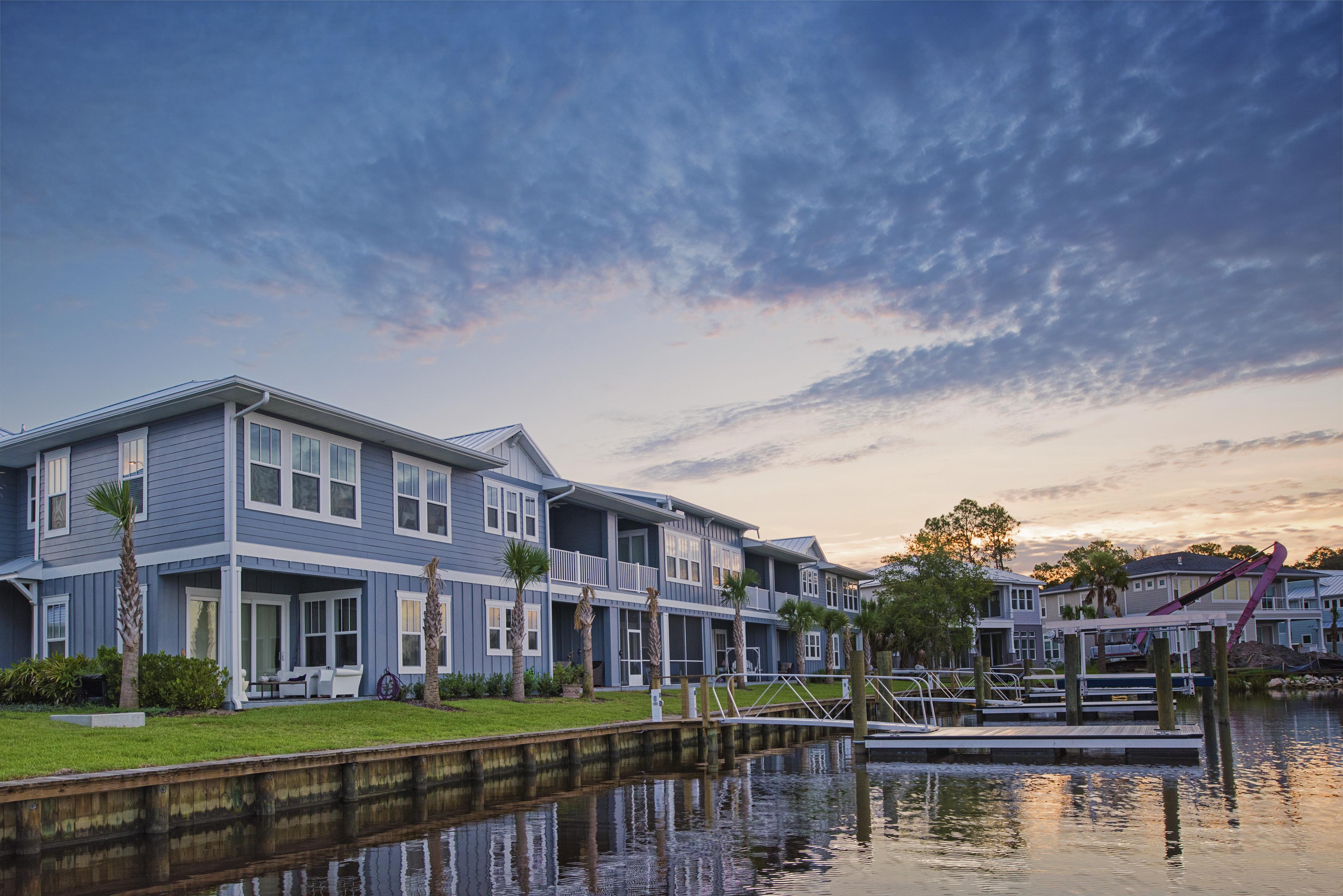
Living in an oceanfront property or beach house with fresh sea breezes and spectacular views can be a wonderful experience. What isn’t so fresh or spectacular is the toll that a coastal environment can take on your home’s exterior. The good news is that there are steps you can take — like installing Hardie® Fiber Cement products on your home's exterior to help it withstand coastal climates.
Understanding coastal weather conditions
The East, West, and Gulf Coasts of the United States generate unique climate conditions:
- Salt, salt, and more salt: Crashing waves and salt air are part of seaside life. But those waves and air contain plenty of corrosive salt — even thousands of feet inland.
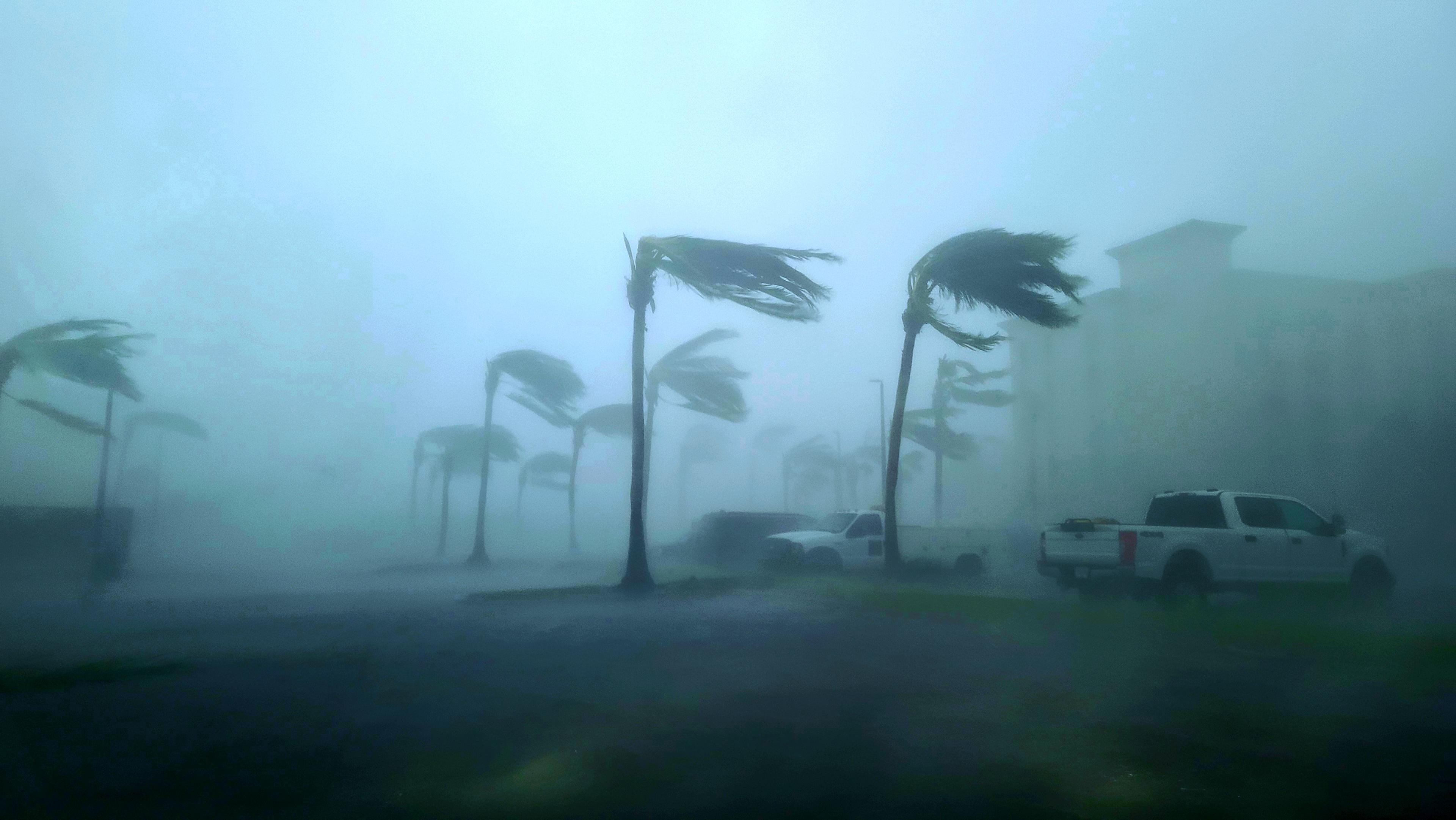
- Weather-controlling oceans: Oceans are giant weather-makers, as 2026’s record El Niño is proving. They absorb sunlight, leading to water evaporation that returns as humidity, rain, and dense fog. These large bodies of water also generate winds ranging from mild breezes to hurricane-force blows.
- Dangerous storms: Hurricanes and other hazardous weather regularly occur on the East and Gulf Coasts and are even happening more frequently in places like Southern California and Hawaii. Meanwhile, the West Coast experiences atmospheric rivers like the “Pineapple Express,” characterized by strong Pacific winds and heavy rainfall.
- Higher UV rays: Sunlight is more intense in coastal areas due to reflections from sand and water. Unobstructed horizons increase sky exposure, leading to more ultraviolet rays.
How do coastal weather conditions affect a home’s exterior?
The combination of high humidity and rain, constant wind, and stronger sunlight creates a perfect storm of issues that impact home exteriors:
- Mold and mildew: High moisture conditions create the ideal environment for lots of fungi. Left untreated, mold, mildew, and other growth can damage a home’s siding and may reach interior spaces, leading to health issues and expensive repairs and remediation.
- Corrosion: That fresh sea air swirling around a home might feel great. Unfortunately, the high salt concentration in that sea breeze — even away from the immediate shoreline — can eat away at siding and bubble or peel paint.
- Warping and swelling: Continuous moisture, with few drying days, can cause siding to buckle, crack, or warp. This allows wind, moisture, and salt to sneak in.
- Dents and damage: Severe storm winds can send debris flying, causing mild to serious damage to homes. Additionally, breezy days fling sand against your home, leading to pitting and wear.
- Fading and blistering: UV light — compounded by reflecting off water — and humidity can leach color out of siding, while the constant barrage of wind, salt and rain can blister paint. Those paint bubbles come from trapped moisture that causes paint to lose adhesion and may indicate rot and warping beneath the exterior siding.
Key siding features for coastal homeowners to consider
Homes don’t have to fall victim to coastal weather. Many exterior products are available that create and maintain a barrier between your home and the elements. But not all siding, trim, and soffit are created equal. When researching exterior building materials, look for products that are:
- Resistant to rot, moisture, and pests
- Durable in salty sea air
- Able to withstand strong winds and flying debris
- Resistant to high UV rays
Hardie® Fiber Cement Siding, Trim, and Soffit offer these benefits and more.
The case for Hardie® Fiber Cement
When properly installed, Hardie® products provide long-term durability for coastal homes while delivering pleasing aesthetics and curb appeal. Hardie® Fiber Cement is rated FEMA Class 5 for flood damage resistance, the highest rating available — and only Hardie® products are Engineered for Climate® using the Hardie™ Zone System.
Hardie™ Zone System provides siding with specific performance attributes relative to the climate where the product is being used. As a result, James Hardie gives you the ability to put the optimum siding on a project regardless of your location.
- HZ5® is suitable for cold, wet winters, ice, and snow
- HZ10® defies blistering sun, hurricane-force winds*, and sheets of rain — specifically developed for performance in seaside dwellings
In addition to resisting damage from external fire, moisture, extreme weather, and pests, Hardie® Fiber Cement siding is backed by a 30-year non-prorated limited substrate warranty. Products with ColorPlus® Technology finishes are also backed by a 15-year limited finish warranty covering peeling, cracking, chipping, and premature fading.
ColorPlus® Technology finishes are factory applied in a controlled environment and cured onto the board for a strong bond. The finish is engineered to provide exceptional adhesion along with resistance to cracking, peeling, chipping, and fading — making it a low-maintenance choice for homeowners.
Siding material performance comparison for coastal weather
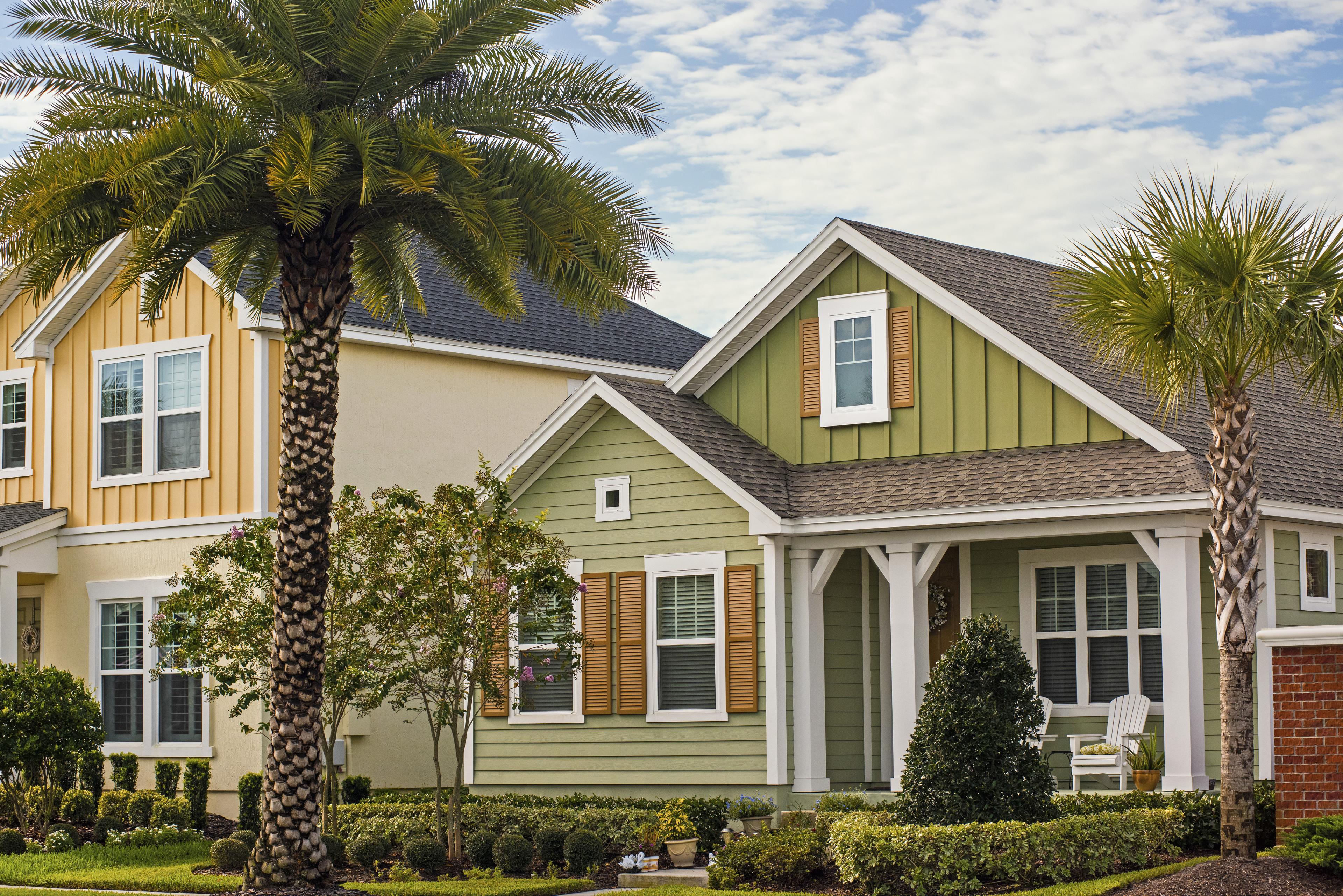
Comparing siding materials across key performance factors helps coastal homeowners understand how different material options respond to environmental stresses. While each siding material has advantages, homeowners seeking durability across multiple climate conditions often consider fiber cement siding the most reliable option.
- Wood: Susceptible to swelling, warping, and rot in damp, moist conditions.
- Fiber Cement: Engineered to resist moisture and rot; FEMA Class 5 Damage Resistance Flood Rating.
- Vinyl: Doesn’t absorb water but can be brittle and crack at low temperatures and buckle or sag when exposed to heat. Less resistant to high winds and hail with a lower wind load rating than fiber cement.
- Stucco: Susceptible to cracking as building settles, allowing water infiltration and potential wall damage. Prone to cracking as building settles.
- Engineered Wood: Expands and contracts with moisture; requires a gap at butt joints to accommodate movement.
- Solid-Core PVC: Engineered to resist moisture and rot.
The importance of professional installation and moisture management
Hardie® Fiber Cement products have a strong reputation as a solution for aesthetics and curb appeal without compromising on durability, especially when used for coastal homes.
In one example, Marianne Cusato of the Cypress Community Development Corp helped rebuild homes in the aftermath of Hurricanes Katrina (2005) and Irma (2017). The non-profit Cypress Community Development also constructs sturdy, affordable housing. Cusato relies on Hardie® Fiber Cement offerings to help protect coastal dwellings from windblown debris, corrosive salt, and continuous humidity.
In another situation, a family’s Florida home sustained damage during Hurricane Ian in 2022. The family used Hardie® Board-and-Batten and Hardie® Artisan® V-Groove Siding when rebuilding and renovating the home to help fortify it against further coastal weather.
Whatever the locale for your seaside residence, safeguarding it goes beyond exterior materials. Those materials must also be effectively installed.
This is where the James Hardie™ ALLIANCE can make a difference. Contractors in the ALLIANCE are vetted and experienced with Hardie® products and are offered training on proper installation.
Coastal climate and home protection
Living by the coast offers plenty of benefits, whether a beach house or oceanfront property is a permanent home or a temporary getaway. Those benefits multiply when the residence’s exterior features a climate-resistant barrier that repels salt, moisture, wind, sun, and other challenges posed by Mother Nature.
Hardie® offers a variety siding, trim, and soffit profiles — in multiple design styles, colors, and textures to match your home’s character. Learn more and request a quote from a local contractor, or if you’re not quite ready, get our informative Re-side Roadmap for a step-by-step guide to selecting the right siding for your coastal retreat.
*Rated for use in High Velocity Hurricane Zones (HVHZ) by Miami-Dade County Florida, among the nation's most stringent extreme weather regulations. HVHZ rating solely applies to select products.
